Shopping in Sweden: Hours, Payment and Customs
Sunday shopping is normal, but Systembolaget is closed. Pay by card in kronor, prices include VAT, and shops need not take back goods that aren't faulty.
Sunday shopping is normal, but Systembolaget is closed. Pay by card in kronor, prices include VAT, and shops need not take back goods that aren't faulty.
No shop-closing law since 1972, so Sundays are normal. What Systembolaget, banks, pharmacies and museums do — and the three days Sweden really shuts.
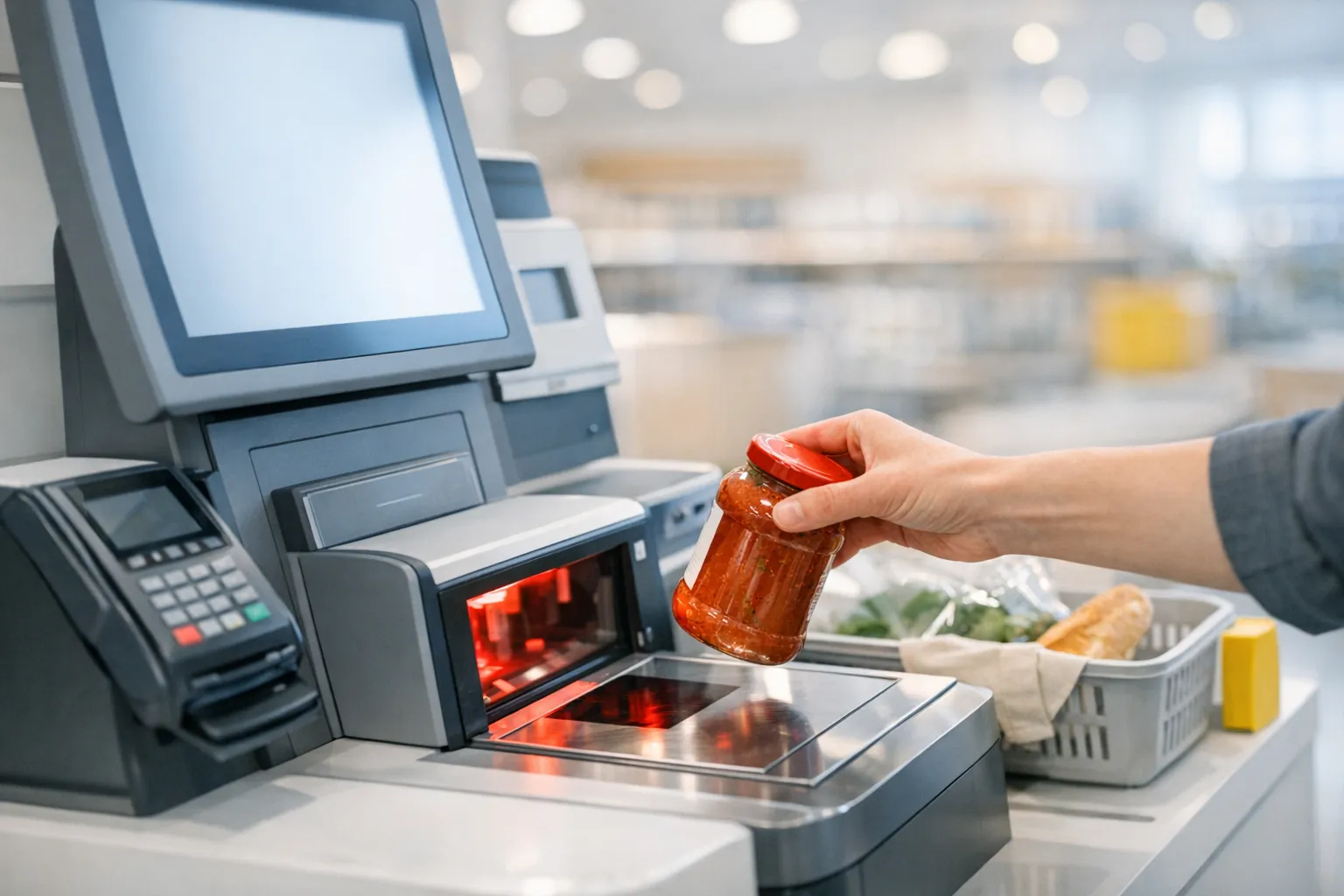
Card-only kiosks, scan-as-you-shop apps, random rescans and age checks — how self-checkout actually works in Swedish grocery stores.
Many loppis sellers take only cash or Swish. Your rights depend on who sells, auctions have their own rules, and old antiques may need an export permit.
Dala horses, Småland glass, genuine Sámi craft and tube caviar: where each comes from, how to spot fakes, and what goes in your checked bag.
Gas bottles, stove fuel, winter kit and hook-up cables: the rule behind each purchase, plus card payment, returns and tax-free at Swedish discount stores.
Which chain is cheapest, why the till price differs from the shelf, Sunday opening, and why beer stops at 3.5%. The Swedish grocery system explained.
Sweden's price level runs ~20% above the EU average, but the supermarket isn't the expensive part. Where the money really goes, and the one lever that works.
Tube kaviar, crispbread, filmjölk, herring, gravlax, lingonberry jam and messmör: what each really is, how Swedes eat it, and what to pack home.
Standardmjölk, mellanmjölk or lättmjölk? Why filmjölk is not milk, why carton colours mislead, which cream to heat, and why oat milk says dryck.
Swedish kiosks and petrol-station shops sell transit tickets, snus and 3.5% folköl at 18 — no wine, and they are outside the 2026 cash law. What to know.
Read a Swedish food pack in a minute: bold allergens, bäst före vs sista förbrukningsdag, the Keyhole, KRAV, the EU leaf, Från Sverige and jämförpris.
Where to find short-date food in Swedish shops, what bäst före and sista förbrukningsdag let a shop sell, keeping it safe, and apps vs the shelf.
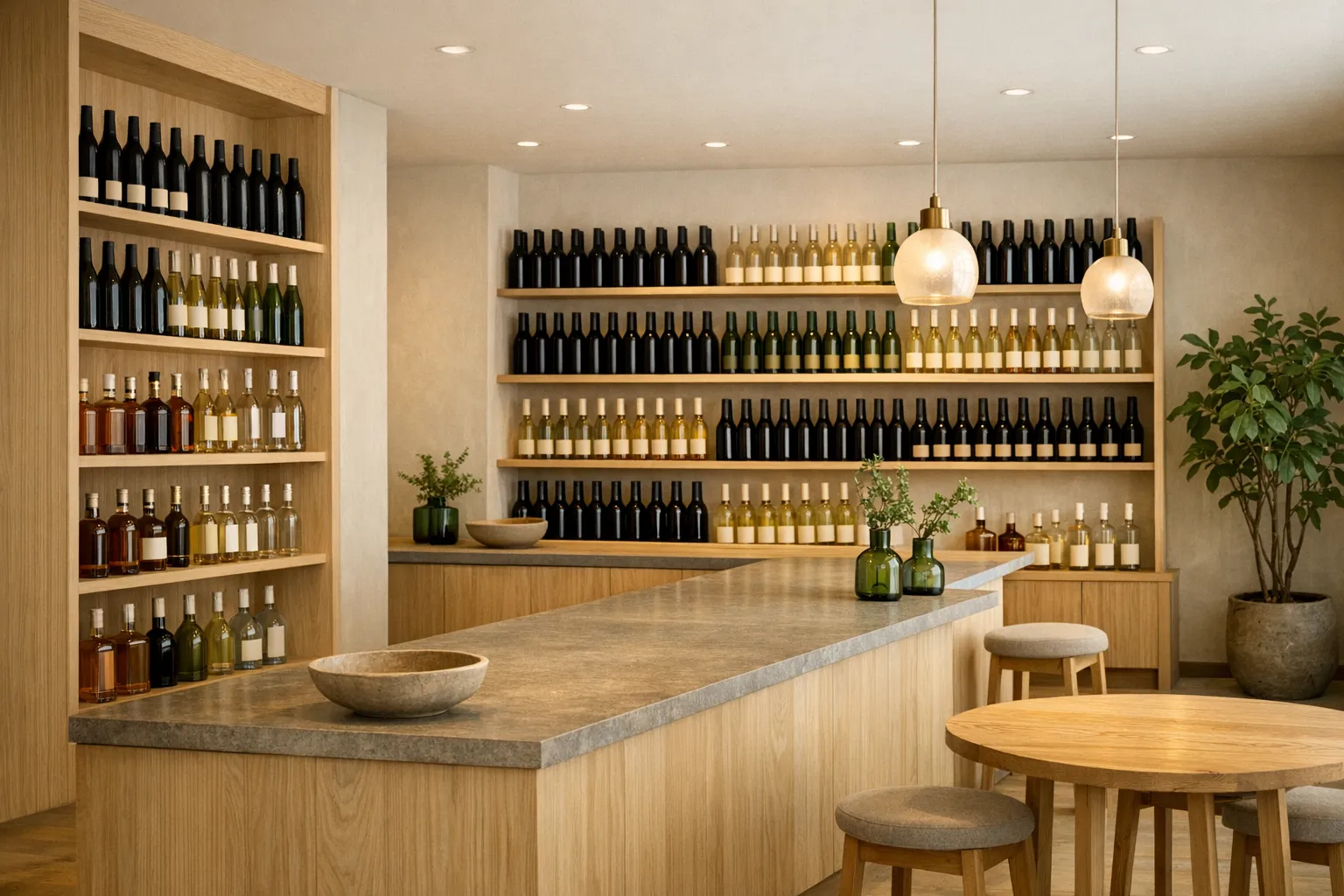
Everything over 3.5% is sold only at state-run Systembolaget. The age rules, Saturday hours, ID checks and how visitors plan around the monopoly.
Closed every Sunday, shut by 15:00 on Saturdays, and three straight days at Midsummer. The pattern, the ombud lead time, and when to buy instead.
Tax is about half a Swedish alcohol price — not the monopoly's markup. The duty structure, the 25% VAT on top, and how the neighbors really compare.
Sweden has three alcohol ages: 20 at Systembolaget and the border, 18 for folkol and in bars. Which ID works for visitors, and why langning is a crime.
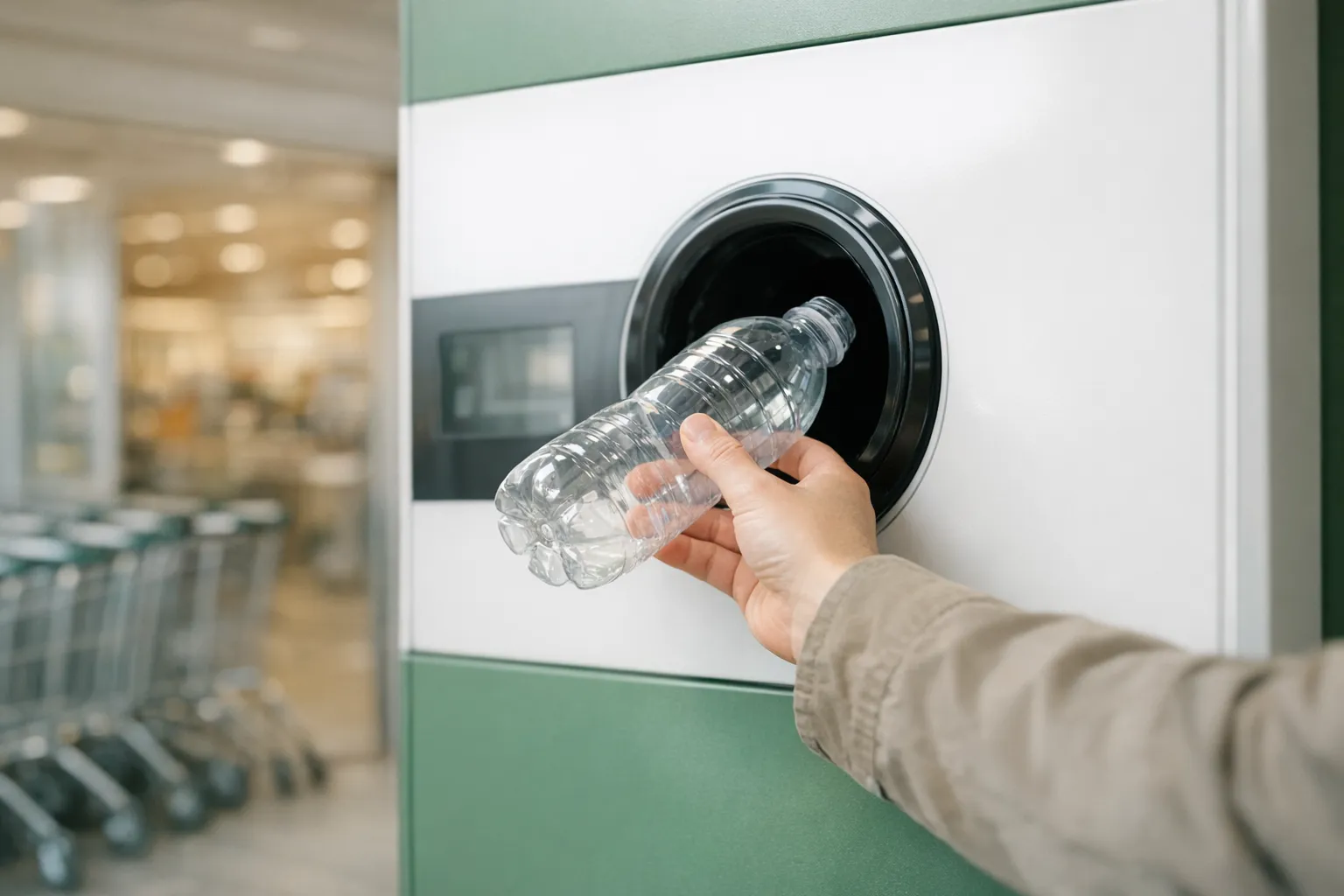
Sweden's can and bottle deposit — the 2025 amounts, how the machines work, why foreign cans are rejected, and the donate button worth knowing about.
Seven bins, one pant machine: what goes where in a Swedish rental, why food waste is mandatory, and why recycling stations are changing in 2027.
No post offices: use postal agents in shops. A postcard abroad needs 44 kr postage, post is slower since June 2026, and non-EU parcels need CN22 or CN23.
Parcels wait at shop counters (ombud) or lockers. A passport works as ID; lockers may need BankID. Non-EU parcels carry VAT, a €3 duty and a carrier fee.
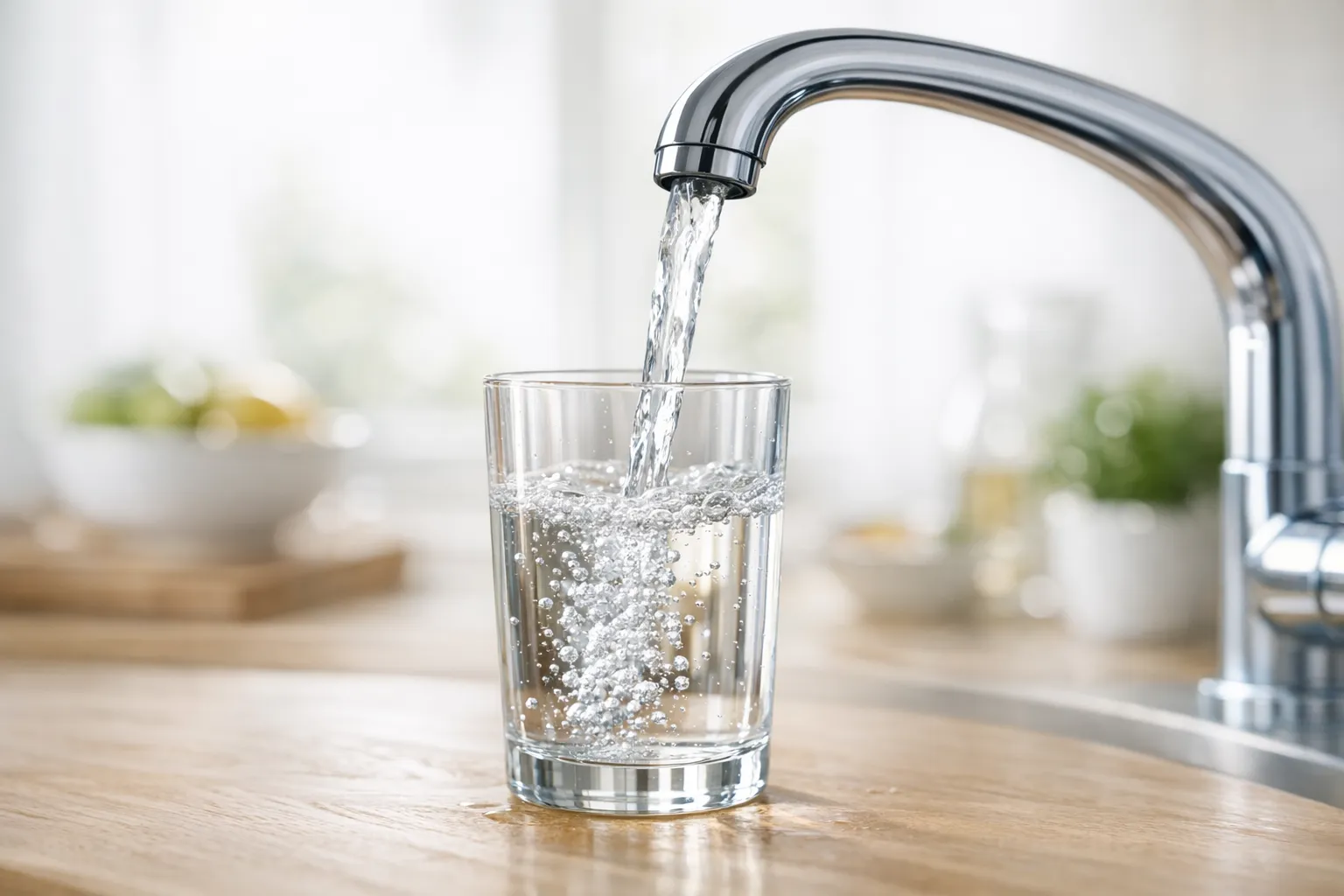
Swedish tap water is regulated as food and excellent everywhere. The cold-tap rule, cabin wells, and the only two signs that ever mean "don't drink."
Expect 5–10 kr and card payment — coins often don't work and Swish isn't open to visitors. Plus the free network, and Stockholm's 2026 rebuild.
Sweden uses 230 V and Type F sockets that take Europlugs. Who needs an adapter, who needs a converter, USB-C rules and the blue CEE plug at campsites.
Laundromats are rare in Sweden. Where visitors wash instead, how to use a tvättstuga as a guest, the Swedish machine words, and why to dose for soft water.
Sweden's public grill places, the town-by-town rules for parks and beaches, disposable grills, fire bans and national parks, and how to put out the coals.
Mountain streams are widely drunk untreated; lowland and still water isn't. No authority certifies wild water — how to judge a source and when to treat it.